leadership and business summit 2025
A New Dawn in Africa
The sun was shining over the land as it shines in the hearts of the people.
The air was warm, soft like silk, wrapping the city in comfort and calm.
Hope danced gently on the wind, whispering promises of change, unity, and growth.
This was not just another day in Africa.
This was the kind of day that makes history.
A day when the ordinary became extraordinary.
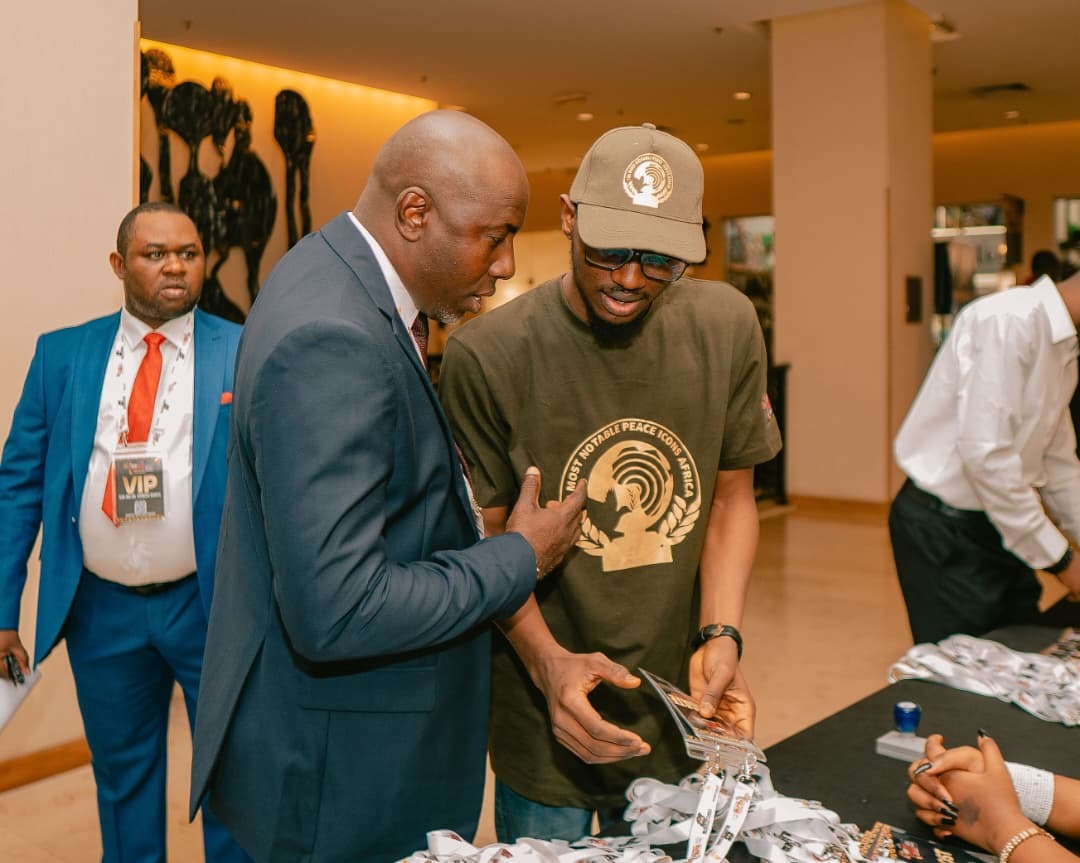
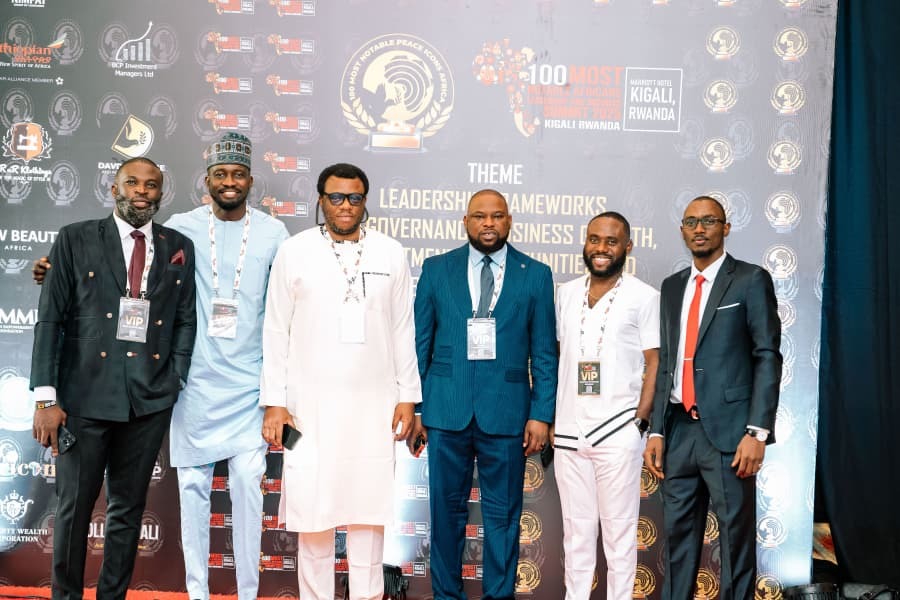
The 2025 edition of the 100 Most Notable African Leadership and Business Summit had finally arrived. From the early hours of the morning, the roads leading to the summit venue were alive with colors, flags of many nations, outfits rich in culture, and eyes bright with purpose.
Men and women from all over the continent were arriving as guests, visionaries.
From Accra to Addis Ababa, from Rabat to Kigali, leaders, thinkers, builders, and dreamers touched down, one flight after the other. They came with suitcases full of plans and hearts full of passion.
There was laughter in the air. Hugs between old friends. Introductions between new allies.
The stage was set.
The red carpet stretched long and wide, ready to welcome Africa’s finest.
The name tags had names that mattered not because they were famous, but because they were doing the work that changes lives.
As the day began, one thing was clear: the 2025 Notables were not here to be seen. They were here to serve. They came from different countries like Nigeria, Morocco, Kenya, Ghana, Rwanda, and many more. Some wore suits, others wore native clothes. But they all had one thing in common: they were building Africa with their hearts, their hands, and their hard work.
Some of the awardees were doctors, working hard to improve healthcare and bring hope to patients. Others were tech innovators, building apps and solutions that solve everyday problems in their communities. There were also leaders and public servants focused on making life better through policy, peacebuilding, and reform.
They didn’t all have the same background, but they shared one thing in common: they were making a difference. Each one stood out because they chose to take action, not just talk about change. Their stories weren’t just impressive; they were inspiring examples of what’s possible when passion meets purpose.
Awards and Stories That Stood Out
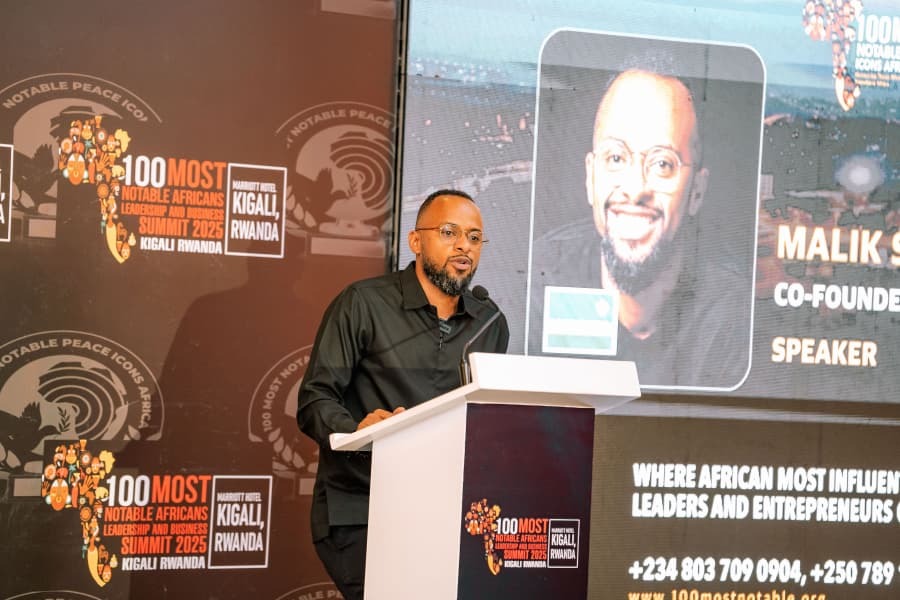
- Malik Shaffy Lizinde brought Rwanda’s creative spirit to center stage. He isn’t your typical CEO; he’s a builder of dreams. Through his creative agency, Malik hires youth who never had the chance to attend university. No degrees? No problem. What he looks for is raw passion, curiosity, and community drive. Under his leadership, these young people are producing bold campaigns, original content, and branding strategies that compete globally. Malik’s model proves that talent is everywhere; it just needs someone to believe in it.
Dr. Nana Kojo of Ghana is not your typical doctor. He spends more time in classrooms and youth centers than in hospitals. Through workshops, radio shows, and digital platforms, Dr. Kojo speaks openly to teenagers and young adults about something many still find hard to talk about: mental health. In a society where mental illness is often misunderstood or ignored, he’s helping young people put language to their struggles and find the support they need. His message is clear and powerful:
“If your mind is not well, nothing else will work.”
His award was a reflection of his professional excellence and also his boldness in turning empathy into education.Aisha Bello, a young entrepreneur from Nigeria, stood on stage with quiet confidence, the kind built from experience instead of ego. She started her business with almost nothing but an idea, a few handmade products, and a will to succeed. Today, that idea has grown into a company that has employed over 500 women, many of them single mothers and school dropouts. She trains them, mentors them, and gives them a steady income. Her goal, alongside growing profits, is to lift women out of poverty one job at a time. Her business may be small in scale, but her dream is as wide as the continent.
“When you give a woman a job,” she says, “you give her power, and her whole family changes.”
Prof. Haruna Musa stepped up with a message that resonated with every ear in the room: “Smart farming is not just innovation; it’s justice.” A respected academic with deep grassroots reach, he advocates for using technology to transform how we grow and distribute food. His vision includes drone-assisted farming, solar-powered irrigation, and youth-led cooperatives. For Prof. Musa, food security isn’t optional; it’s the foundation of peace, progress, and dignity.
Governor Emmanuel Nyirenda, from Malawi, received a standing ovation before he even reached the podium. In a world where political leaders are often criticized for doing too little, Governor Nyirenda has built a reputation for doing more than expected. Under his leadership, villages that were once forgotten now have paved roads, working schools, and fully equipped clinics. He visits these communities often, not for cameras, but for conversations.
“We don’t just lead with titles,” he said, “we lead with truth.”
His award was a symbol of something rare and deeply needed: trust in public service.
More Than a Summit - A Mirror
This was more than a summit. It was a reflection, a mirror held up to Africa, showing both its scars and its strength. It celebrated what’s working and also dared to ask, what more can we become?
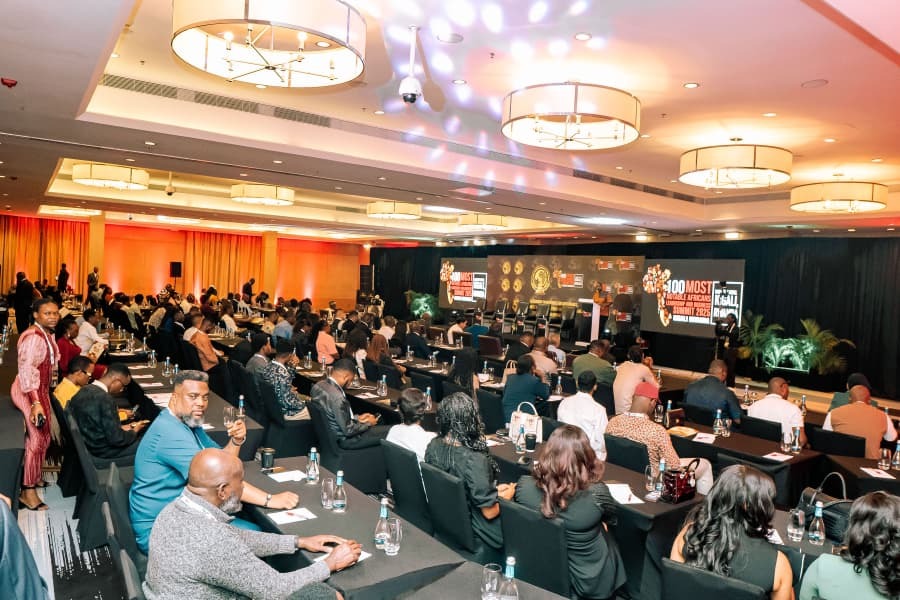
The real heart of the event beat strongest during the panel discussions. These weren’t just talks; they were truth-telling sessions. No one came to impress; they came to express. Young leaders sat beside seasoned experts. Entrepreneurs challenged politicians. Clerics listened to creatives. It was a space of equal voices and shared purpose.
Here’s a glimpse into the conversations that lit up the rooms:
Mental Health in Schools and Media
One panel opened with a sobering thought: “We teach math and science, but not how to cope with sadness or pressure.” From educators to mental health advocates, the discussion centered on why emotional wellness must start early, in classrooms, homes, and even cartoons. Speakers pushed for media programming that shows real emotions, not just perfect lives. “Let our kids see that it’s okay to cry and stronger to talk,” said one youth advocate.
Food Systems and Economic Fairness
Food was on everyone’s mind, on dinner plates as well as in policy debates. Experts spoke about how food security is tied to justice. “It’s not just about growing crops,” one speaker said. “It’s about making sure no child goes to bed hungry while warehouses stay full.” The panel explored smart farming, farmer cooperatives, and the link between agriculture and dignity.
Financial Literacy in Churches and Mosques
Faith leaders shared how sermons could become solutions. A pastor from Uganda described Sunday services that end with budgeting tips. An imam spoke about teaching savings and investment after prayer. The message was clear: financial wisdom must walk hand-in-hand with spiritual guidance. “Faith without financial knowledge leads to struggle,” one panelist said.
Youth Employment Without Degrees
Another powerful session challenged the old formula: School → Degree → Job. Instead, it highlighted practical skills, mentorship, apprenticeships, and entrepreneurship. “Degrees open doors,” a speaker noted, “but so do hammers, laptops, and sewing machines.” Real stories of success came from people who never went to university but learned to code, farm, design, or build with excellence.
Peacebuilding and Pan-African Unity
In a room filled with flags, this panel reminded everyone that Africa’s greatest strength is its people, not its borders. From conflict mediators to regional planners, the talk focused on how to build peace through education, trade, dialogue, and shared history. “We are not 54 nations; we are one home with many rooms,” one speaker said, to a round of applause.
Creative Industries as Tools of Growth
Here, fashion designers, filmmakers, musicians, and digital creators stood up to be counted. They were entertainers; they were economy builders. “A beat can carry a message. A film can change a mindset. A dress can carry a culture,” said a fashion entrepreneur. They called for more investment in Africa’s creativity, not as decoration, but as development.
By the end of the sessions, something powerful had taken shape. The summit became a space where truth found its voice, where bold ideas, honest reflections, and big dreams were welcomed without hesitation. It was more than a celebration; it was a call to action.
The mirror held up during those days reflects the present, but more importantly, it revealed a vision of an Africa full of heart-led leadership, hardworking hands, and communities rising side by side toward something greater.
A Night to Remember
The gala didn’t feel like a formal event; it felt like a beautifully told story unfolding in real time. Live African drums greeted guests at the entrance, blending with soft jazz and Afrobeats that played in the background. The tables were dressed with care, adorned with gold accents, woven fabrics, and centerpieces that celebrated the continent’s diverse cultures. You could hear conversations in Swahili, French, Arabic, English, and pidgin, and yet, somehow, everyone understood each other perfectly.
Laughter filled the room as old friends reunited and new bonds were formed. Plates were full of jollof rice, suya, tagine, plantains, and injera, a continental menu fit for kings and queens. The DJ shifted into classic hits from every corner of Africa, and soon enough, guests left their chairs to dance, hands in the air, shoes off, joy on full display.
But beyond the celebration, something deeper was taking shape. In those few hours, borders disappeared. Business leaders danced beside activists. Politicians took selfies with fashion designers. A young awardee from Congo shared a table with a professor from Ghana.
It didn’t matter where anyone came from. That night, Africa didn’t feel divided by lines on a map. It felt like one family, with one heartbeat, sharing one story.
Yes, the fashion was stunning. Yes, the music was unforgettable. But what made the night truly magical was the sense that Africa was dreaming in the same direction and believing it could all come true.
Why This Matters
Too often, the world sees Africa through the wrong lens, as a place always waiting, always needing, always catching up. But this summit told a different story.
It showed that Africa is not sitting still. It’s building, creating, and leading in its way. Across the rooms and stages, you could feel the power of local solutions and homegrown leadership. These weren’t people looking for handouts; they were people rolling up their sleeves, solving problems, and bringing others along with them.
It reminded us that the strength of a continent isn’t measured by noise or numbers alone. True power lives in the teacher who starts a school in her backyard, the doctor who opens a mental health clinic where no one else will, the governor who visits villages without cameras, the designer who turns tradition into global fashion, and the youth leader who organizes change from a phone and a dream.
Africa doesn’t need to wait to be discovered. It has already discovered itself, and it’s rising, led by everyday heroes with vision and heart.